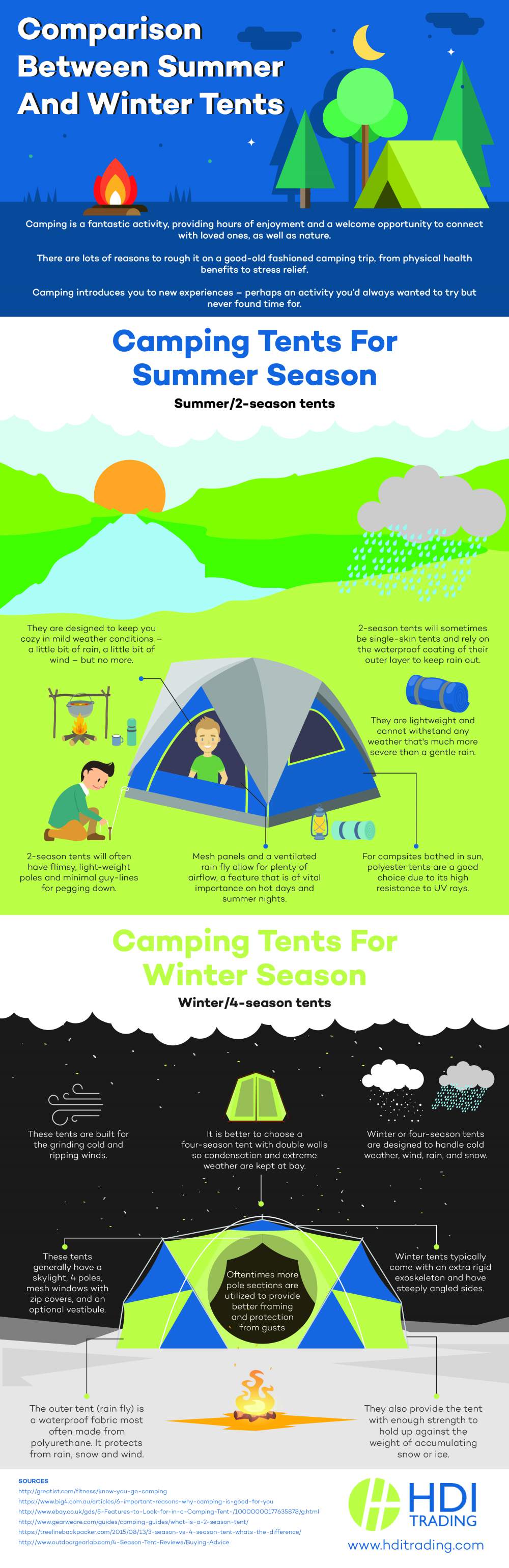
There is a specific kind of fear that sets in when you listen to thunder rolling in while you are miles from the nearest sanctuary. For campers, rain is not simply a trouble-- it is an authentic threat to heat, safety, and rest. Yet generations of exterior fanatics have dealt with torrential downpours and come out completely dry on the other side, greatly thanks to one trusted material: waterproof canvas. Recognizing exactly how it works and why it does so well in heavy rainfall can assist you make smarter choices prior to your following trip into the wild.
What Makes Canvas Waterproof?
Canvas in its raw type is a hefty, firmly woven fabric-- typically made from cotton, though modern-day versions usually mix synthetic fibers like polyester. By itself, unattended cotton canvas soaks up water instead of repelling it. The transformation right into a water resistant material occurs through therapy and weave design.
The Function of Wax and Chemical Coatings
One of the most conventional method of waterproofing canvas includes wax-- paraffin or beeswax-- worked into the textile's fibers. When wax fills up the tiny gaps in between strings, water molecules can not pass through easily. The surface area stress of rain creates droplets to grain up and roll off as opposed to soak through.
Modern water resistant canvas usually uses artificial coatings such as polyurethane or silicone-based treatments. These develop a flexible, long lasting obstacle across the material surface area. Unlike wax, they do not require regular re-application as frequently and can be crafted to offer differing degrees of water resistance depending upon the planned use.
Limited Weave and Thread Swelling
One exceptional and usually forgot feature of cotton canvas is what takes place when it initially gets wet. The cotton fibers take in a small amount of wetness and swell slightly, triggering the weave to tighten up. This natural reaction really boosts the material's water resistance gradually, securing tiny spaces in between strings. It is one factor quality canvas tents can carry out much better after their initial rain than they do fresh out of the bag.
Exactly How Water-proof Canvas Performs in Heavy Rain
When rainfall is light, almost any type of shelter will certainly do. The real test of a material is what happens during a sustained downpour-- the type of tornado that sends out water sheeting down in drapes and swimming pools throughout the ground.
Sustained Water Resistance Under Pressure
Waterproof canvas is rated by its capability to withstand hydrostatic pressure, determined in millimeters. This number stands for exactly how high a column of water the textile can hold prior to water pushes through. Heavy-duty canvas tents usually bring scores well above what most camping rainstorms create, implying water that hammers the surface for hours will certainly not discover its method inside.
Breathability Stops Condensation
Among the most underappreciated benefits of canvas over cheaper artificial tent materials is breathability. Lightweight nylon or polyester outdoors tents, while water-resistant on the outside, commonly catch cozy, damp air within. When that air meets the cold camping tent walls, condensation forms-- leaving campers damp also without a solitary leak. Water-proof canvas, specifically cotton-based varieties, enables a controlled exchange of air vapor while still obstructing liquid water. The result is a drier, much more comfortable inside also with a lengthy evening of hefty rainfall.
Toughness Via the Storm
Canvas is substantially heavier than synthetic choices, but that weight comes with advantages in severe weather. The product stands up to tearing from wind-driven rainfall, holds its form under tons, and deals with the tension of water pooling on surface areas without easily puncturing or warping. Seams in high quality canvas camping tents are normally enhanced and treated with additional sealer, removing the pinhole leakages that pester lower shelters.
Selecting and Maintaining Waterproof Canvas Equipment
Not all water resistant canvas is equal. When selecting an outdoor tents or tarpaulin, look for a high hydrostatic head ranking, enhanced living in a canvas tent sewing at anxiety factors, and a trusted therapy technique-- whether standard wax or a top quality synthetic covering.
Maintaining Your Canvas in Optimal Problem
Water-proof canvas requires standard however consistent care. Always dry it thoroughly before keeping to avoid mildew, which weakens both the fibers and the waterproofing therapy. Wax-treated canvas must be re-waxed regularly, specifically at joints and high-wear locations. Synthetic-coated canvas benefits from a re-spray of DWR (sturdy water repellent) treatment after several seasons of use.
When the skies opens up and rainfall hammers down dog-eat-dog, water-proof canvas does what it has provided for campers for over a century-- it holds the storm at bay and maintains individuals inside warm, dry, and all set for the morning in advance.